




 Click it and Unblock the Notifications


Latest Updates
-
 From Hashtags to Merch Drops: How Fandom Fashion Became Part of the Story
 -
 ₹1000 Crore and Counting: ‘Dhurandhar 2’ Isn’t Just a Hit, It’s a Box Office Phenomenon
 -
 Akshaya Tritiya 2026 Date: April 19 or 20? Know The Right Day To Buy Gold This Year
 -
 From Water Fights to Egg Games: Unique Easter Monday Traditions Explained
 -
 South Indian Perfect Texture Coconut Chutney Recipe
 -
 Horoscope for Today April 06, 2026 - Practical Steps Bring Calm Progress
 -
 Chana Masala Recipe: Experience Dhaba Style Authentic Taste
 -
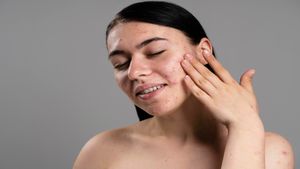 Struggling With Oily Skin This Summer? Simple Tips to Keep Shine Under Control
 -
 Garlic Bread Recipe: The Cheesy Bakery Style Trick You Need
 -
 Soha Ali Khan Swears By This ‘Gentle Game-Changer’ Lemon Drink for Gut Health: Full Recipe Inside


Acne And Pimple Problem? Look For These Ingredients When Buying Skincare Products

Acne is a skin condition that occurs when the hair follicles become clogged with oil and dead skin cells. It causes whiteheads, blackheads or pimples. Acne is common among teenagers, though it affects people of all ages.
People with acne and pimples know the pain and effort of creating a skincare routine that doesn't trigger more pimples. Unfortunately, trial and error is the only way to go about it. But knowing the right products can help you cut down the time spent looking for the 'right' product for your acne and pimple-prone skin.
This article will tell you about the 'right' ingredients to look for when buying skincare products.

Active Ingredients For Acne In Skincare Products
1. Salicylic acid
Salicylic acid is a beta-hydroxy acid (BHA) used for exfoliating skin. As it penetrates deeply into the pores, it unclogs them. By unclogging your pores, salicylic acid can reduce the size and number of blackheads. Additionally, it can help eliminate excess oil, preventing new pimples from forming [1].
This product can be used as a cleanser, gel, moisturizer, or cream. Depending on the product you are using, you may need to use it once or twice a day. Check the label for instructions. The recommended range is 1 to 2 per cent.
How long it takes to work: You can see results in one to two weeks.
2. Benzoyl peroxide
Topical benzoyl peroxide reduces acne-causing bacteria that live on the skin by inhibiting their growth. Aside from reducing whiteheads and larger pimples also reduces breakout frequency by killing acne-causing bacteria [2].
For acne on the face, benzoyl peroxide at a concentration of 2-5 per cent should work. Benzoyl peroxide is commonly found in cleansers that should be used once or twice daily.
How long it takes to work: It takes about two weeks (or more) to start seeing results.
3. Retinol
The vitamin A derivative retinol is a type of retinoid. By eliminating dead skin cells and promoting healthy cell regeneration, it can increase the skin-cell turnover rate.
Due to its skin-cell turnover abilities, retinol can reduce blackheads, whiteheads, and even deeper painful pimples. It will also improve the overall texture and tone of your skin. You can typically buy retinol as gel [3].
How long it takes to work: It takes a long time for retinoids to work, such as 4 to 6 weeks or more.
Note: Retinol should always be applied to dry skin, as applying it to wet skin can cause/increase irritation.
4. Alpha-hydroxy acids (AHAs)
AHAs are a group of chemical exfoliants. In addition to removing dead skin cells, they also prevent the build-up of sebum oil and bacteria. There are various AHAs, such as lactic acid, malonic acid, and glycolic acid. Use at low concentrations in a once-daily cleanser. Look for a cleanser with a concentration of 3 to 8 per cent [4].
How long it takes to work: AHAs work pretty quickly. You can see changes in a week or less.
5. Tea tree oil
In addition to its anti-inflammatory and antibacterial properties, tea tree oil may also help treat acne. However, the studies supporting this treatment are relatively small and of poorer quality than the studies supporting some of the other acne treatments.
How long it takes to work: Results can be seen after four weeks and even more after 12 weeks.
Note: Tea tree oil should not be applied directly to the skin because it can cause rashes.
6. Sulphur
In addition to reducing blackheads, it also reduces whiteheads. This is because sulphur removes the top layer of skin cells, which unclogs pores. In addition, sulphur can reduce the redness and size of pimples. Cleansers and masks with sulphur or spot treatments can be applied to problem areas. Use a product with a sulphur concentration of 3 to 5 per cent [5].
How long it takes to work: Pimples can be improved with spot treatments in just a few days.
Caution: Ingredients like salicylic acid, adapalene, and azelaic acid have common side effects like dry skin, itchiness, and redness. You can avoid these side effects by using a product with lower strength ingredients. In addition, allergic reactions may occur in rare cases.


 Continue with Google