




 Click it and Unblock the Notifications


Latest Updates
-
 Chana Masala Recipe: Experience Dhaba Style Authentic Taste
 -
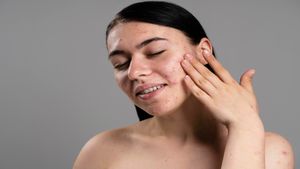 Struggling With Oily Skin This Summer? Simple Tips to Keep Shine Under Control
 -
 Garlic Bread Recipe: The Cheesy Bakery Style Trick You Need
 -
 Soha Ali Khan Swears By This ‘Gentle Game-Changer’ Lemon Drink for Gut Health: Full Recipe Inside
 -
 World Health Day 2026: You’re Not As Healthy As You Think—Here’s Why
 -
 One Pot Easy Lunch Recipe: Flavorful Veg Pulao
 -
 Karan Aujla India Tour Controversy: Lucknow and Ludhiana Shows Cancelled—What Went Wrong?
 -
 Kissing Disease Linked to 3x Higher Risk of Multiple Sclerosis: What You Should Know
 -
 Feeling Drained in the Heat? 10 Healthy Drinks to Sip This Summer
 -
 Happy Birthday Rashmika Mandanna: Steal Her White Looks For Easter 2026 Festive Parties And Celebrations


8 Daily Habits That Cause Hair Fall; What To Do For It

There are many causes of hair loss on the head, but it is more common among men. Hair loss can affect the scalp or the entire body, and it may be temporary or permanent. Nearly 80% of all men and half of all women experience hair loss during their lifetimes.
There are several types of hair loss that can be treated effectively. In some cases, such as patchy hair loss (alopecia areata), hair can regrow without treatment within one year. Hair loss can be treated with medication, surgery, or nutritional supplements. However, limited data is available regarding their effectiveness in treating hair loss [1].

It is normal to lose approximately 50-100 strands of hair every day, according to the American Academy of Dermatology.
Excessive hair loss can occur as a result of a number of underlying issues, including genetics, hormonal imbalances, thyroid disorders, metabolism disorders, as well as certain everyday habits that are often ignored [2].
Daily Habits That Cause Hair Fall
If you would rather have more hair on your head than on your hairbrush, here are daily habits you should stop doing.
1. Tightly tying your hair
Tight hairstyles reduce the hairline, stressing and eventually damaging the hair follicles, and in the worst cases, traction alopecia, a condition where the follicle is permanently weakened.
The right scrunchies make all the difference - use soft, non-static scrunchies made with cotton fibres or pure silk to tie your hair.
2. Heat on unprotected hair
Heat treatment without heat protection strips the hair of its outer cover by damaging the keratin, resulting in water loss and easy breakage. It is the same as sleeping with makeup on.

3. Washing your hair mindlessly
There are three cardinal rules of hair wash: shampoo on the scalp, conditioner on the strands, and never use hot water, which dehydrates the hair, making the strands dry and brittle, resulting in it snapping and falling out.
To avoid stripping out the natural oils that nourish your scalp, wash with cool water and lather your shampoo in your palms before gently massaging it onto it. Seal in your hair barrier with cool water. Excessive shampooing may also cause your scalp to produce more oil to protect itself, leading to hair loss.
4. Yo-yo dieting
In a yo-yo effect, people are caught in a cycle of weight loss and gain. When they follow a certain diet to lose weight but cannot sustain it, they end up gaining it back, then seeking new diets to lose it [3].
Poor nutrition and inconsistent diets cause the body to feel starved, resulting in poor scalp nourishment and hair loss. Maintaining a sustainable diet will help your hair grow naturally.
Your hair and heart will benefit from including lean proteins, fruits, vegetables, nuts, whole grains and healthy fats.
5. Alcohol-containing hair products
Your hair may be dry and brittle due to alcohol content in your hair products. If alcohol remains on the hair for long periods, it can break when brushed. Look for natural, gentler alternatives that don't use alcohol to tame your hair.
For better absorption, use a cotton towel rather than rubbing wet hair.
6. Hair brushing mistakes
Make sure you brush your hair only when necessary, use a detangling spray, and detangle carefully from the bottom rather than from the top, which causes hair to fall out. Avoid brushing wet hair with a brush.

7. Getting no trims
A regular dusting , that is, cutting your hair just a quarter inch or so or a trim every eight weeks will help eliminate hair that is stunting the growth.
8. Stress levels
It doesn't matter how much we know about the effects of stress on our lives, sometimes we really cannot help it.
During a stressful time, our bodies release cortisol, a stress hormone that disrupts healthy hair growth and inflammation. It is important to remember that 10-15% of our hair is resting, meaning it doesn't grow or fall out [4]. These resting hairs shed every two to three months, and new ones grow in their place. Prioritise mental health, care for the body, and be mindful of what's causing the chaos to stop the shedding.


 Continue with Google